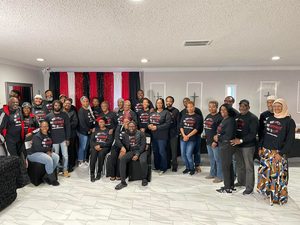
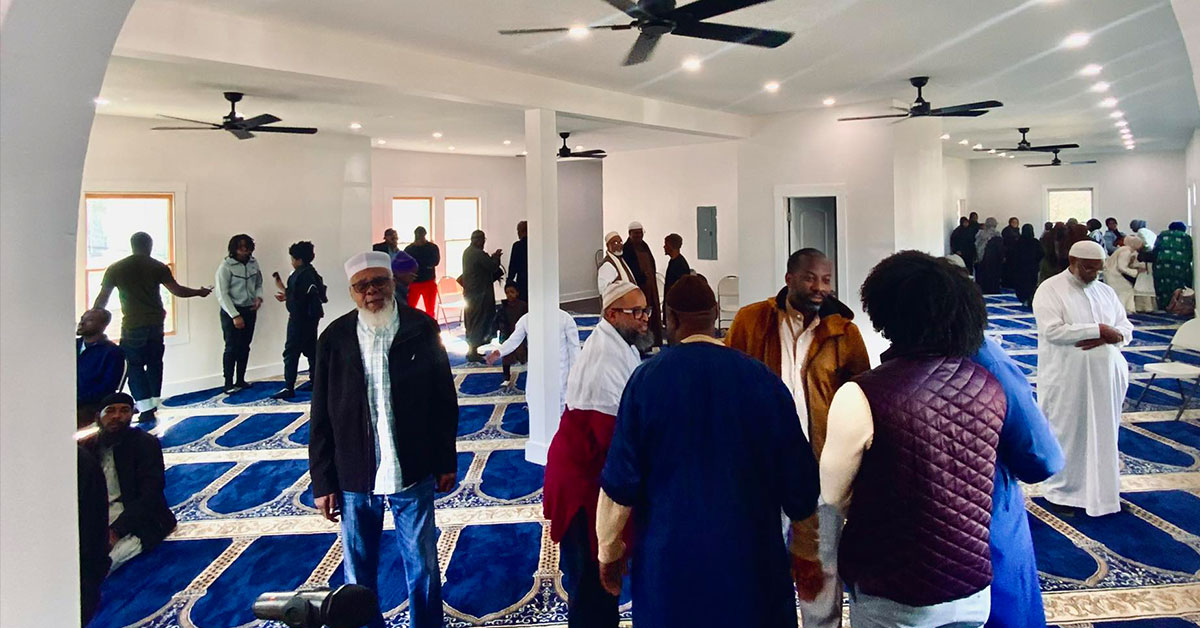

In many Muslim communities, leadership transitions happen under pressure—after illness, burnout, or sudden loss. Too often, succession is treated as an emergency rather than a responsibility. At The Community Masjid, the opposite approach quietly unfolded: a deliberate, values-driven transition rooted in foresight, humility, and trust.
Located in Atlanta’s historic West End, The Community Masjid carries a legacy that predates most contemporary conversations about American Islam. Led by the beloved and legendary Imam Jamil Al-Amin for many years, the masjid has long stood as a spiritual home shaped by discipline, service, and principled leadership. The transition of leadership was not just a matter of administration, but a profound testament to the moral fabric that has defined this sacred space for years.
Leadership as Stewardship, Not Possession

After nearly two decades serving as imam, Imam Nadim approached transition not as a departure, but as a responsibility. He understood what many communities struggle to acknowledge: leadership is an amanah, not a lifetime claim. Rather than waiting for exhaustion or inevitability, he chose to plan while still present—able to mentor, advise, and support the next generation.
This decision reflected a clear-eyed understanding of the imam’s role. Beyond leading prayer, the imam is often a counselor, mediator, teacher, and anchor for families in moments of crisis and growth. Without structure, the role can consume one’s life. Imam Nadim recognized that sustaining both family and community required boundaries—and succession.
Choosing for Character
The most consequential decision in any transition is not timing, but selection. Imam Nadim’s criteria were explicit and uncompromising: character came first. Knowledge mattered, but character was foundational. Without integrity, humility, and steadiness, leadership becomes vulnerable to ego, pressure, and fracture.
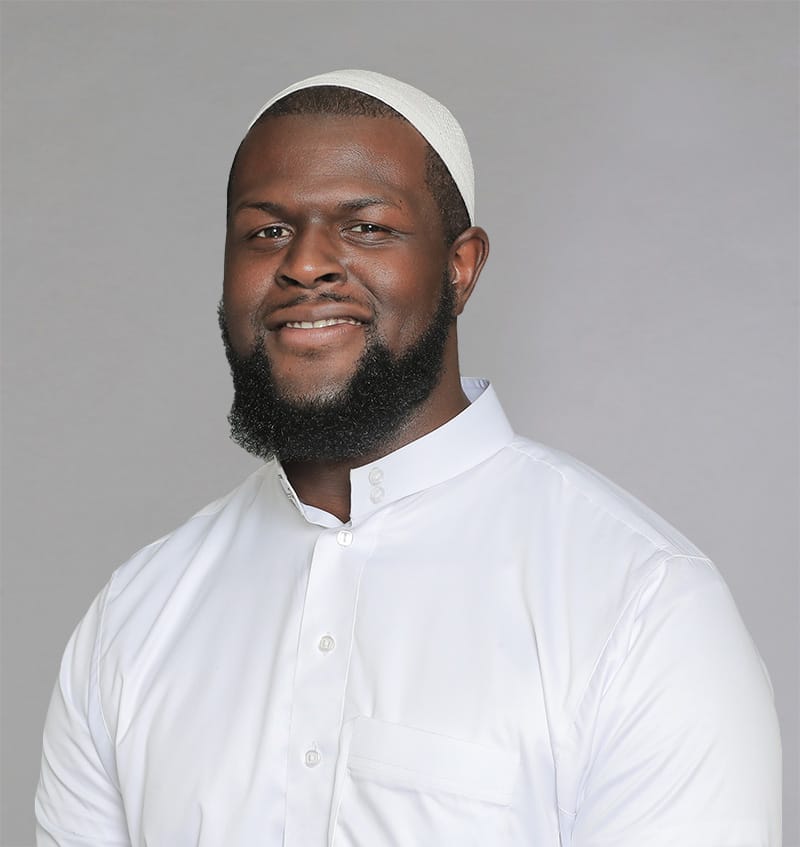
Over years of observation, one individual consistently exemplified these qualities: Kwame Nkrumah Thomas. His name alone carries profound significance, reflecting a legacy-conscious upbringing rooted in history, dignity, and a deep sense of responsibility to a cause greater than oneself. Named after Kwame Nkrumah, the influential African leader synonymous with self-determination and pride, the choice of his name was surely deliberate and meaningful.
Imam Nadim had known him since his early years in the community, witnessing his growth in faith, learning, and family life. The choice was not sudden, nor driven by popularity. It emerged from long-term observation and discernment.
Only after clarity did Imam Nadim bring the recommendation to the board, where it was affirmed unanimously.
A Gradual and Compassionate Transition
What followed was not an abrupt handover, but a careful easing into responsibility. Imam Kwame was approached privately and given space and time to pray, consult mentors, speak with family, and sit with the weight of the role. The community was informed gradually, allowing trust and recognition to form organically.
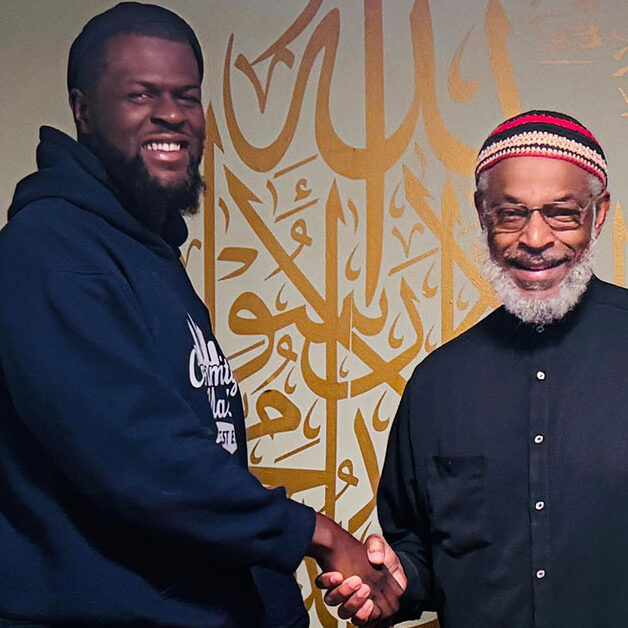
This intentional pacing mattered. It honored the gravity of leadership while protecting the dignity of both the outgoing and incoming imams. Imam Nadim remained present as Imam Emeritus—available, supportive, but no longer central—creating continuity without interference.
Imam Nadim resists the language of “passing the torch.” Quoting a civil rights activist, he explains, “No, I’m not going to pass my torch. I’m going to light his torch.” The image reflects his approach to transition: staying present as a mentor while allowing the next generation to lead with full authority.
Imam Kwame assumed the role officially in January 2025. Now 41, he represents a generational bridge: deeply rooted in the community’s history, yet attentive to its evolving needs.
A Leader Shaped Before He Was Chosen
Long before he was approached about becoming an imam, Kwame was being shaped for responsibility in quieter ways. Raised in Atlanta, he grew up in a household that emphasized self-knowledge, cultural consciousness, and community responsibility. His parents, who were strong community pillars, instilled a strong sense of identity—grounded in history, discipline, and moral awareness—that later became a foundation for his spiritual journey. This early formation mattered. It cultivated a seriousness of purpose and an attentiveness to people that would eventually define his leadership.
Imam Kwame did not grow up Muslim. He came to Islam as a young adult while in college, drawn by a search for a direct connection to God and a way of life that demanded consistency, remembrance, and accountability. Islam did not enter his life as an inheritance, but as a conscious choice—one that required learning, humility, and perseverance.
From the moment he joined The Community Masjid, his presence was steady rather than performative. He showed up consistently, prioritized congregational prayer, and committed himself to learning—never positioning himself as an authority, always as a student. Over time, that posture became a defining trait.
The Weight of Being Asked
When Imam Nadim first approached him privately about the possibility of succession, Imam Kwame was stunned. The invitation felt heavy. He understood immediately that being an imam was not a title, but a responsibility that touches every part of a person’s life—spiritual, emotional, familial, and communal. Rather than accepting impulsively, he paused. He prayed. He sought counsel from trusted teachers. He spoke with his wife and family. He made istikhārah repeatedly, asking for clarity and protection from ego.
What ultimately guided his decision was not confidence in his own readiness, but a recognition of amanah. If the community’s elders saw something in him worth entrusting, then the responsibility was not to elevate himself—but to serve with sincerity and restraint.
Holding the Amanah in Real Time
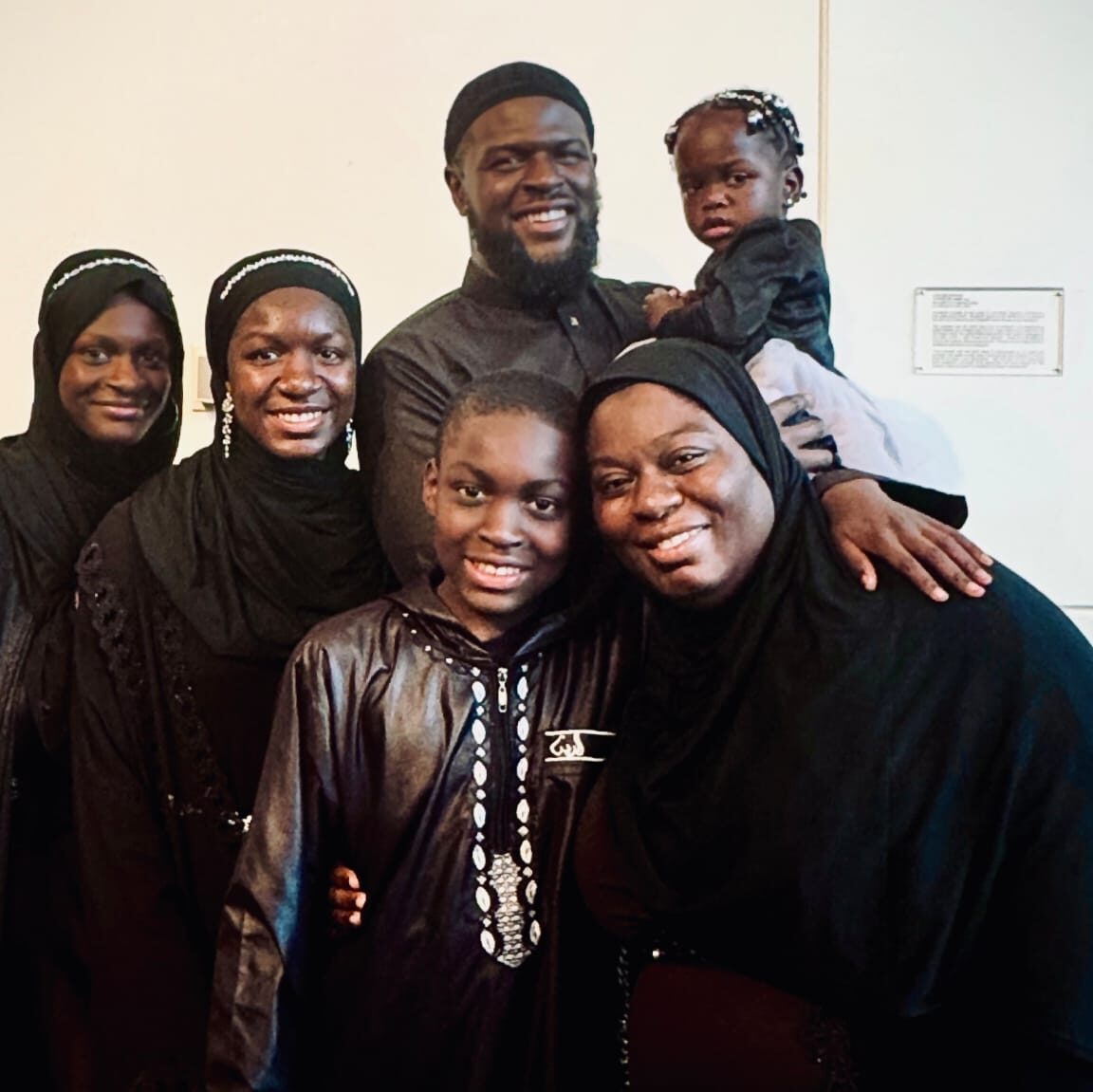
Since assuming leadership in January 2025, Imam Kwame has approached the role with the same seriousness that initially gave him pause. He continues to work professionally in his field, raising a growing family while leading a community that spans generations. The balance is demanding, and the challenges are real.
Imam Kwame does not carry this responsibility alone. His wife, Zakayah, is an active and visible presence within the life of the masjid, serving as the head of the Sisters Committee and helping to cultivate spaces of care, connection, and spiritual nourishment for women in the community. Under her leadership, the sisters have remained deeply engaged—organizing programs, building relationships, and sustaining a rhythm of community life that often unfolds quietly but powerfully behind the scenes.
One recent example illustrates this dynamic clearly. The sisters organized overnight gatherings and sleepovers to strengthen bonds, nurture spiritual growth, and foster a sense of belonging. Their initiative did more than serve the women alone—it inspired the brothers to do the same. Encouraged by the sisters’ example, the men began organizing their own sleepovers, signaling a broader culture of participation and mutual inspiration within the community. Together, these efforts reflect a shared ethic at The Community Masjid: leadership is collaborative, family-centered, and sustained through the initiative of women whose vision and labor actively shape communal life.
Like many imams today, he faces the realities of post-pandemic attendance shifts, limited financial resources, and the expectations placed on a younger leader navigating an institution with deep history. Yet he has responded not by rushing change, but by listening—meeting regularly with the board, consulting elders, and creating spaces that feel welcoming, structured, and intentional.
He is especially attentive to cultivating community life: supporting youth engagement, strengthening family programming, and ensuring that the masjid remains a place where people feel seen, guided, and spiritually grounded. Through it all, he carries the role not as personal achievement, but as trust—something borrowed, not owned.
Imam Nadim has already observed subtle but meaningful shifts within the community since the transition. Reflecting on the months following Imam Kwame’s assumption of leadership, he noted the emergence of renewed youth energy and participation.
“I’ve seen a lot of youth energy come in,” Imam Nadim shared. “A lot of times, young people don’t feel as though they have a voice, and I’ve seen more young people step up. More young people are coming to prayer. They’re getting involved.”
For Imam Nadim, this shift is not incidental. It reflects what can happen when younger leadership is entrusted with real responsibility—when continuity is paired with openness, and when the next generation senses both permission and expectation to contribute meaningfully to community life.
Leadership That Is Still Becoming
Imam Kwame does not present himself as a finished product. He speaks openly about learning curves, ongoing reliance on prayer, and the need for community support. That transparency has become part of his leadership ethic.
In many ways, his strength lies precisely there—in a leadership style shaped by humility, accountability, and reverence for the responsibility he carries.
For a community rooted in legacy, this posture matters. It signals that continuity does not require imitation, and renewal does not require erasure. It requires presence, sincerity, and a willingness to grow while serving.
What This Masjid Did Differently
The Community Masjid’s transition offers lessons that extend far beyond Atlanta:
- Succession was planned early, not postponed.
- Character was prioritized over credentials.
- Mentorship preceded authority.
- The transition was gradual, not abrupt.
- The outgoing leader remained available without overshadowing.
These choices reduced anxiety, prevented fragmentation, and invited renewed participation—particularly among younger congregants who now see a future for themselves within the masjid.
Continuity as Legacy
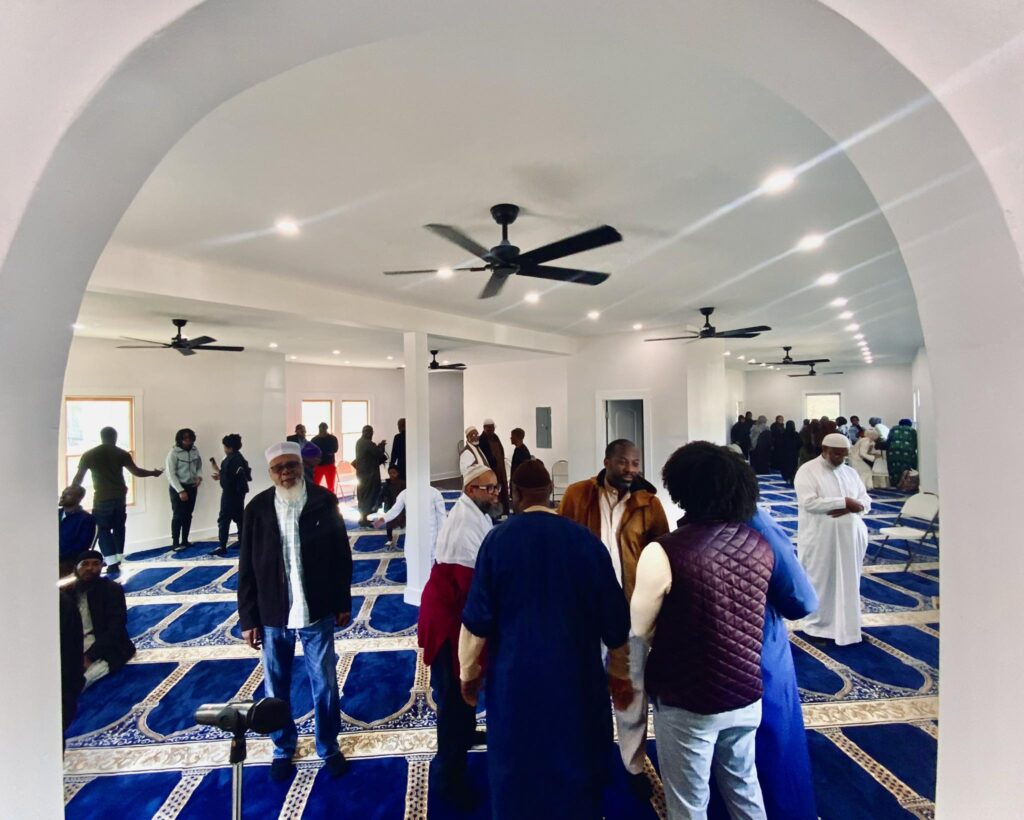
Today, The Community Masjid stands in a season of renewal—renovating its physical space while strengthening its spiritual foundations. The leadership transition did not disrupt the community; it stabilized it. It demonstrated that continuity is not sameness, and legacy is not preserved by holding on, but by preparing others to carry forward what matters most.
In a time when many communities struggle with leadership vacuums, this masjid offers a quieter, deeper lesson: succession done with intention is not an ending. It is an act of trust—one generation placing confidence in the next, believing that what was entrusted once can be entrusted again.
And in that trust, the community does not lose its soul. It keeps it.

Akanke is a communications specialist and consultant with a degree in Communication from Georgia State University, focused on film, TV, and cultural anthropology. Her career is diverse, and her interests span various creative forms of expression — from producing TV and radio shows to creating documentaries, writing, graphic design, and life coaching, she strives to make a lasting and authentic impact wherever she goes. She reverted to Islam in 1994 and is passionate about Islam and Islamic spirituality, a passion that runs through nearly every corner of her work. Akanke has been a dedicated supporter of the Muslim Alliance in North America (MANA) since 2007, currently serving as the organization’s Board Vice President — working alongside the Board President and Secretary to help shape MANA’s trajectory — and previously served for several years as its Communications Director. A native of Atlanta, she now resides in Dayton, Ohio.