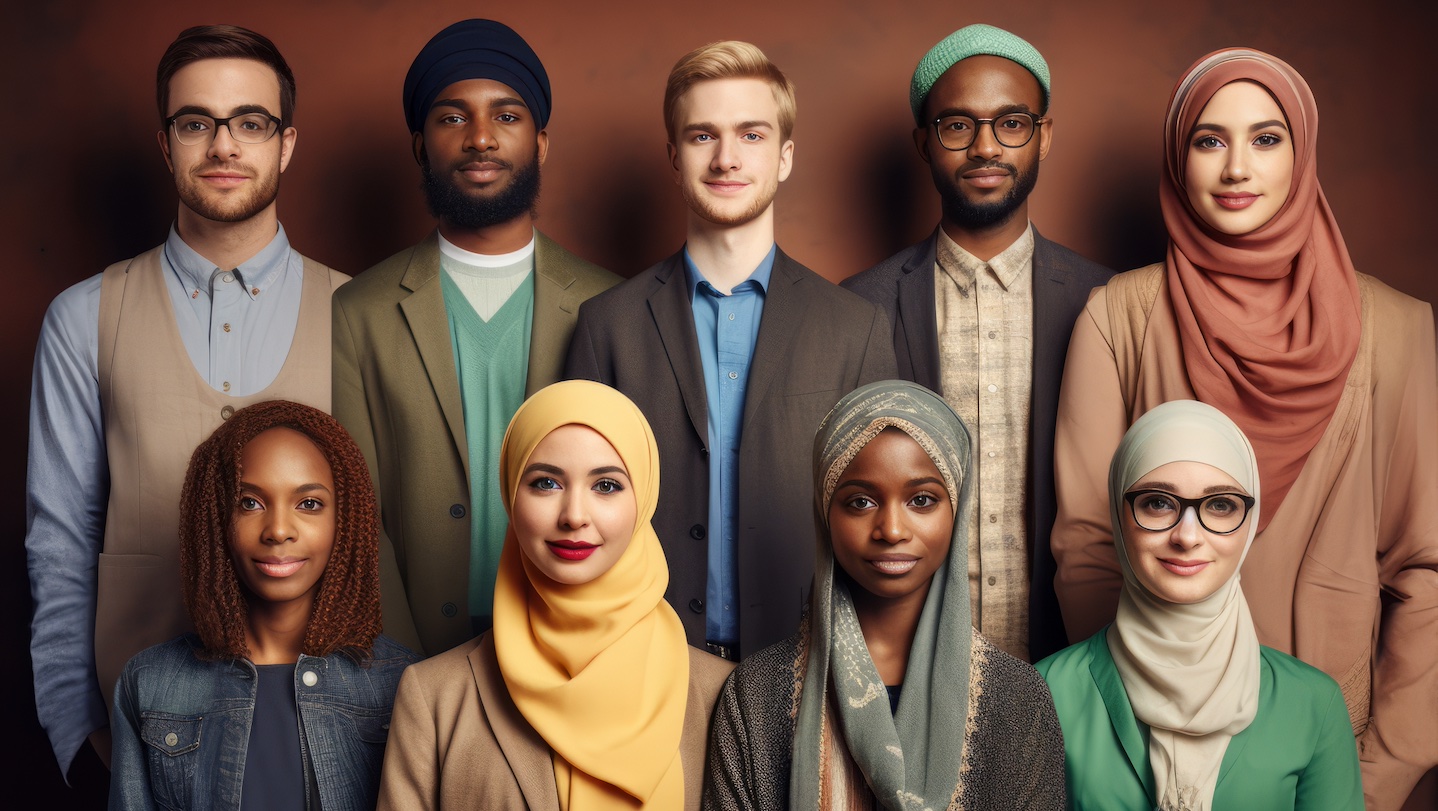
In a world where diversity often leads to divisions and discrimination, the teachings of Prophet Muhammad ﷺ offer a timeless message of unity, equality, and acceptance. The Last Sermon of Prophet Muhammad ﷺ, delivered over 1,400 years ago, continues to resonate today with its profound message of inclusivity and respect for all individuals, regardless of their race, ethnicity, or social status.
The Prophet Muhammad ﷺ, in his final sermon, emphasized the fundamental equality of all human beings, regardless of their backgrounds. He declared, “All mankind is from Adam and Eve. An Arab has no superiority over a non-Arab, nor does a non-Arab have any superiority over an Arab; a white has no superiority over a black, nor does a black have any superiority over a white; except by piety and good action.” This powerful statement underscores the Islamic principle that true merit lies in one’s character and deeds, rather than superficial factors such as race or ethnicity.
Furthermore, the Quranic verse (30:22) highlights the beauty of diversity in the creation of the heavens and the earth, as well as the diversity of languages and colors among humanity. This diversity is not a source of division or superiority but rather a sign of Allah’s wisdom and creativity. It serves as a reminder for those who possess knowledge to appreciate and celebrate the richness of human diversity, recognizing it as a manifestation of Allah’s divine plan.
Islam places a strong emphasis on justice, equality, and compassion towards all individuals, regardless of their differences. The teachings of Prophet Muhammad ﷺ and the Quran promote inclusivity, tolerance, and harmony among diverse communities. By upholding the principles of equality and respect for all, Muslims are encouraged to treat others with kindness, fairness, and empathy, reflecting the universal values of Islam.
As believers strive to follow the teachings of Prophet Muhammad ﷺ and the guidance of the Quran, we are reminded of the importance of embracing diversity and promoting unity within society. By recognizing and appreciating the unique qualities and contributions of individuals from various backgrounds, Muslims can foster a culture of understanding, acceptance, and cooperation, paving the way for a more harmonious and compassionate world.
In conclusion, the Last Sermon of Prophet Muhammad ﷺ serves as a timeless reminder of the importance of equality, justice, and respect for all individuals. By embracing diversity and recognizing the intrinsic value of each human being, Muslims can exemplify the true spirit of Islam and contribute to building a more inclusive and harmonious society. May we heed the Prophet’s ﷺ message of unity and equality, and strive to embody these noble values in our interactions with others, guided by the Quranic principle that diversity is a sign of Allah’s wisdom and a source of beauty in the world.
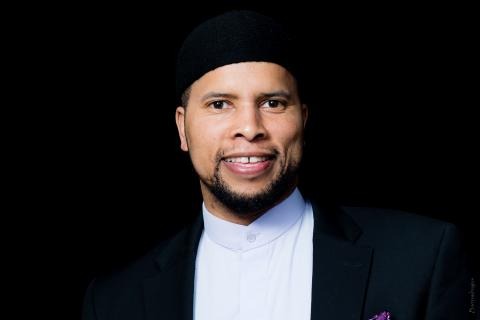
Joshua Salaam has strong roots in the American Muslim community. He started attending national Muslim youth camps at the age of 12 and continued as a participant, counselor and speaker for over 30 years. Joshua entered the U.S. Air Force in 1995 and served as a Police officer for four years. He was a key contributor in establishing Friday prayer services on base for Muslim military members and went on to serve as an Imam in Goldsboro, NC for several years. After the military, Joshua immersed himself in community activism. He managed the Civil Rights department for the Council on American-Islamic Relations from 2000-2004 and helped oversee a Baltimore Muslim community and neighborhood development project from 2004-2007. Before starting at Duke in July 2018, Joshua worked with youth and families for 11 years at one of the largest Muslim communities in America. His diverse background gives him a unique perspective on many issues and helps him connect with students. He holds a Master’s Degree in Religious Studies and a Doctorate of Ministry from Hartford Seminary. He is the current President of MANA’s Board of Directors.