
This is the fourth installment in the multi-part series titled “Irada,” which highlights the inspiring leadership of Black Muslim women who organize and facilitate Islamic study circles for women. The word irada (إرادة) translates to “will” and embodies the determination to draw closer to The Beloved (God Almighty) through spiritual effort, or the aspiration to become beloved by God by fulfilling what pleases Him. To read the introduction to this series, click here.

Building Sisterhood and Spiritual Growth Through the Quran
The Hafsa Quran Society (HQS), originally known as “Becoming Women of Quran,” began as a small online gathering of sisters passionate about memorizing and understanding the Quran. What started as an informal WhatsApp group quickly blossomed into a vibrant community, united by a shared commitment to deepening their relationship with the Quran and supporting one another on their spiritual journeys. Today, HQS functions successfully as a dynamic group of women who are revolutionizing Quranic education for African-American Muslim women.
Founded by visionary educators and students of knowledge, Ustadha Majidah Owuo-Hagood and Ustadha Zahira Abdul-Rahim, the society was born out of a profound need for structured, culturally relevant spaces that foster Islamic knowledge and spiritual growth. When asked how she got involved with organizing study circles for Muslim women, Majidah said, “The reason I got involved in organizing Quran study circles is because a lot of women, especially Black American women, seemed to be intimidated by reading the Quran in Arabic. They seemed to feel that studying the Quran, particularly in Arabic, was not a goal they could accomplish. I really wanted to spark the flame and help sisters develop a yearning for reciting the Quran and being with the Quran daily. I want everyone to taste the sweetness of Allaah’s words and become addicted to it. I pray to be able to help cultivate a love and desire in others’ hearts for Allaah’s book.”
At the heart of HQS lies tajweed—the science of proper Quranic recitation. Along with the founders, other educators include Halima Nalo Afi, Jamela Rahmani, Swiyya Haqq, and Amatullah Saafir. Together, they seamlessly integrate the technical precision of recitation with cultural sensitivity. Their approach ensures that both African-American converts and lifelong Muslims forge meaningful connections with the sacred text.
After forming the group, members recognized the need for structure and accountability. They introduced deadlines, set clear goals, and established a membership system to help everyone track their progress. This shift not only increased productivity but also fostered a sense of unity and positive energy, as each member could see and celebrate the growth of others.
To further their mission, when the group rebranded as the “Hafsa Quran Society,” they became the women’s wing of the Measured Tones Institute of Quran, a religious and educational non-profit organization started by Ustadh Adrian “Ashir” Kirk, Majidah’s husband. With their own programming, the group set an ambitious goal: to help women recite, memorize, and write the Quran within five years.
Fostering Spiritual and Personal Growth
The study circle is more than just a place to learn; it’s a space for spiritual revival and personal transformation. Members reconnect with the rich heritage of Islamic scholarship, striving to embody the Sunnah and walk in the footsteps of the Prophet. The discipline required for memorization and recitation cultivates a studious character and a deep sense of professionalism, as participants become part of a sacred chain of transmitters preserving the Quran for future generations.
Annual in-person conferences further strengthen the bonds of sisterhood, providing opportunities to celebrate milestones, share experiences, and build lasting friendships. The Quran becomes central not only to each member’s spiritual life but also to their relationships with family and community, inspiring others to engage with the Quran beyond weekend classes or occasional study.
Teaching advanced Hifz students brings its own unique joys. Witnessing students develop their own routines and confidence is deeply rewarding. The journey is filled with memorable moments—like a student reciting a special verse just before her wedding, creating a lifelong connection between the Quran and significant life events. These experiences highlight the beauty of teaching and learning the Quran together. Some of the women shared deeply personal insights into their Quranic learning and teaching journeys.
Reflections from the Teachers
Ustadha Majidah Owuo-Hagood
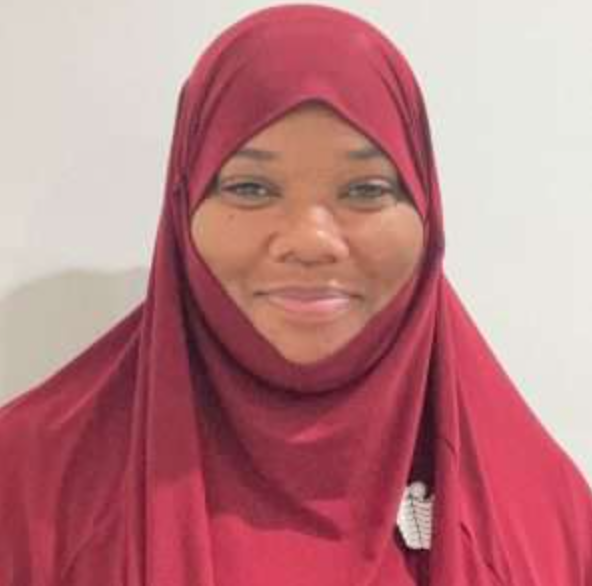
I have seen so many sisters surpass me in their achievements with their Quran studies. Some have created methods/systems of learning the Quran that I could have never imagined. I have heard sisters go from never thinking they could memorize past the last 30th of the Quran, Juz Amma, to now having memorized 1/3 of the Quran. Sisters have participated in Quran competitions and created their own local Quran circles to help spread this love and pursuance of studying the Quran. I have seen schedules that schedule their life around the Quran rather than scheduling Quran around their life.
Ustadha Zahira Abdul Raheem
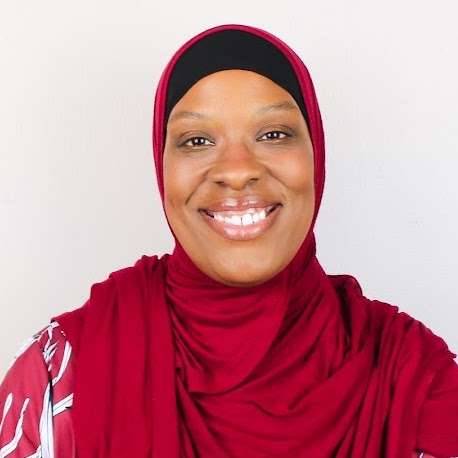
I think women feel a sense of community and connection in our study circles. When you are studying alone, sometimes it can feel like you’re all by yourself. But when you can hop into the group, and see what other people are doing, get tips on recitation, tips on memorizing, how much should you memorize, and see what other people’s journeys, and to be able to reach out and say, “Well, this is what I’m going through, can anybody relate? Can anybody help me find study partners within the group? Just different things like that. So you know that this journey is your personal journey, but there’s also other people that are in it with you. There are others who can help you along the way. There are others who can encourage you, and you see them making strides, and you see them hitting milestones, and it inspires you to know that you’ll be able to do the same thing.
Hafidha Amatullah Saafir
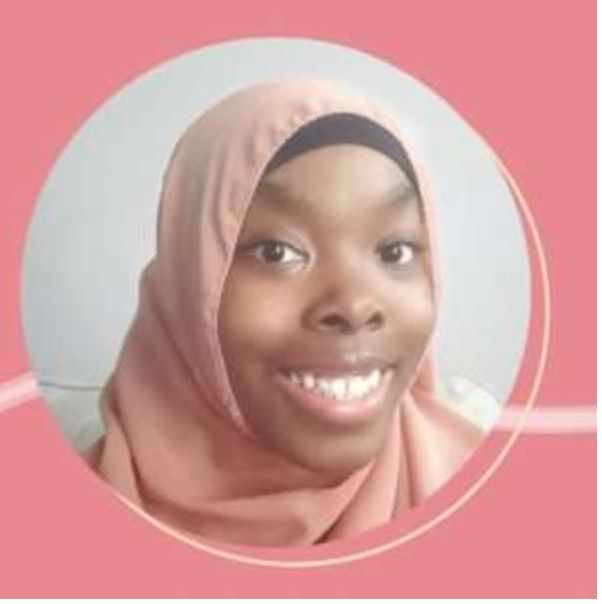
I teach advanced hizb. I have two students, and one thing that I’m really grateful for is seeing them get their own rhythm and routine. In the beginning, there is a lot of kind of figuring out, you know—them figuring themselves out as a student, and me figuring them out as as a teacher, seeing how best to help them, when to be stricter, and when to lean on encouragement and propping them up and making them have a lot of confidence. Because sometimes as a teacher, I do have to do a lot of correcting, but sometimes I have to be wise about knowing that okay, in this state, my student needs just cheering and hearing, “ “You’re doing great. You’re doing amazing.” So alhamdulillah, getting through that part, and, you know, developing that understanding and seeing them learn and get a rhythm and routine and therefore being able to cheer themselves on. I think that’s one of the pleasures of teaching.
Ustadha Halima Nalo Afi
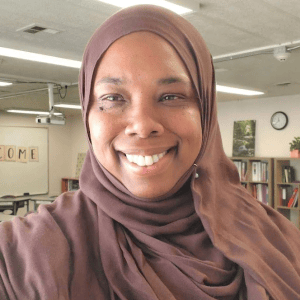
I became involved with Hafsa Quran study circles when it was originally called Becoming Women of Quran. I was studying and memorizing the Quran independently and sought others to join me. I learned about the group through one of its founders and was excited to connect with other African American sisters dedicated to Quran memorization. After joining, I suggested we become more organized and set goals, which led to the formation of Hafsa Quran Society, supporting the science of Tajweed. We focus on teaching recitation, memorization, and writing the Quran with precision and rhythm, embodying the Sunnah of the Prophet Muhammad. Our goal is to create a vibrant community that fosters a deep relationship with the Quran, impacting our lives and relationships positively. I encourage others starting similar groups to renew their intentions, develop their personal relationship with Allah, and seek like-minded individuals. I am grateful for the enriching sisterhood that this community has provided.
Hafidha Jamela Rahmani
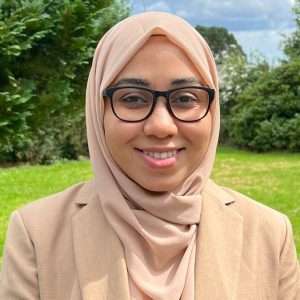
Masha’Allah, this has been such a beautiful experience being part of the program. The last two years, I’ve been able to teach, help, and work with many, many sisters, Alhamdulillah, from all different ages and all different backgrounds. So that’s been beautiful and amazing, and especially to be able to help a lot of the African American sisters in the community, which I think is something that a lot of times, unfortunately, is lacking within our communities when they don’t have it, or when they do have teachers in the African American community, a lot of times they can’t relate to them. They might either be Arab or Pakistani, and they might not understand certain things, or we might be able to relate to the cultural aspects. So I really enjoyed that. I have a lot of students that are a lot older than myself. Sometimes I have students are in their 60s and 70s, and it’s so beautiful, because they come with so much wisdom and knowledge. And then you also get a lot of young students that come full of bright, young ideas. So it’s amazing. A lot of the people that I’m teaching at the moment are converts, so it’s nice to hear their stories of what brought them to Islam and what motivated them to get to the point where they want to study and learn more of the Quran. Also, I’ve learned so much from being around the sisters.
Ustadhah Swiyya Haqq
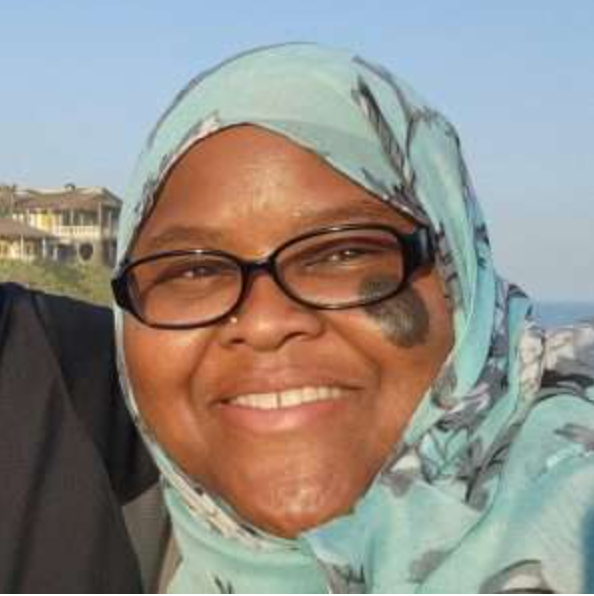
One of my favorite things is just seeing students grow and address learning things that are difficult, but also finding themselves being able to do them with ease over time. You know, obviously learning to read Quran is a technical skill, right? Tajweed rules, how to put your mouth, do this, do that. But obviously it’s so much more than that. And seeing the students go through their journeys, learning something technical, but yet, gaining so much more on their spiritual journey. Also, you know the Quran humbles you. I remember when Majida called me, how I felt like it was a dua answered. I didn’t even know how it would truly be of benefit in terms of helping ME as a student to figure out this lofty goal [of teaching others]. I’m still on the journey, and I didn’t know how it would enrich me and help me along the way. So much more has happened than I expected! Alhamdulillah!
Across all their narratives, a common thread emerged: the Hafsa Quran Society is more than an educational program—it is a transformative spiritual community that empowers women through sacred learning.
Advice for Aspiring Groups
For those interested in starting similar circles, Ustadha Zarinah advises beginning by renewing your intentions and developing a personal relationship with Allah. Clarify your values and goals, and pray for the company of like-minded, righteous companions. With sincerity and dedication, a supportive and spiritually enriching community will naturally form.
Conclusion
The Hafsan Quran Society stands as a testament to the power of community, sisterhood, structure, and shared purpose in nurturing both spiritual and personal growth. Through their dedication to the Quran and one another, these sisters have created a space where faith, knowledge, and sisterhood flourish—enriching their lives and the lives of all who join them. Together, they are on a journey of empowerment, cultural affirmation, and collective uplift. By merging prophetic tradition with modern organizational wisdom, these women prove that when sisterhood and scholarship converge, entire communities thrive. Their story challenges us to reimagine Islamic education—not as solitary study, but as sacred collaboration. May Allah reward them! Ameen!

Akanke is a native of Atlanta who now resides in Dayton, Ohio. She reverted to Islam in 1994 and is passionate about Islam and Islamic spirituality. Akanke is a graduate of Georgia State University, where she earned a degree in Communication, with a focus on film, TV, and cultural anthropology. Her career is diverse, and her interests span various creative forms of expression. From producing TV and radio shows to creating documentaries, writing, graphic design, and life coaching, she strives to make a lasting and authentic impact wherever she goes. Akanke has been a dedicated supporter of MANA since 2007, currently serving as the organization’s Board Vice President. In this role, she plays a key part in working with the Board President and Secretary to shape the organization’s trajectory. Additionally, she serves as MANA’s part-time Communications Director.