It’s hard to believe that Ramadan is almost here. Billions of Muslims around the world both pray and prepare for this blessed and holy month to arrive, eagerly seeking the spiritual openings, purification, and realignment that are present.
Included amongst the masses are those who serve and lead Muslim-run community organizations. If you are an employee, employer, board member, or dedicated volunteer of a Muslim-led organization, then you may be experiencing just a little anxiousness ahead of the upcoming period.
It is well understood that Ramadan, a sacred month on the Hijri (Islamic) calendar marked by an increased focus on good deeds, is also the most significant period of charitable giving in the year. Accordingly, Muslim organizations and those serving them dive deep into preparing and planning compelling fundraising efforts that will encourage donors to support their initiatives and sustain their operations. This can be very demanding and even draining on teams and individuals, sometimes impacting capacity and the ability to stay grounded in the spiritual essence of the month.
I am answering some of the top questions around fundraising during this blessed month in hopes of adding a little ease, clarity, and support for those doing this important work.
Please note: Arabic words will be defined for new Muslim and non-Muslim readers.
Q: How should Muslim organizations mentally prepare for Ramadan fundraising before the month begins?
It’s important to set an intention from the start that the foundation of your efforts are for the sake of Allah, and in the cause of Allah. So if the mission of the organization is to feed the hungry, then you may set an intention to raise funds in support of feeding the hungry for the pleasure of Allah.
I believe leadership sets an important tone for the organization but must also keep in mind that each individual has their own right to make their own decisions and set their own intentions. Sometimes I hear supervisors joke and encourage their employees to consider their intense work during Ramadan as their ibada (worship), but that’s no one’s decision to make but that employee.
Q: What mistakes do community organizations commonly make during Ramadan fundraising, and how can they avoid them?
One common mistake is planning a really great event but not building in enough time to properly market and conduct outreach (phone calls, direct invitations) to encourage attendance. Those events are often poorly attended and waste a lot of money.
A common misconception and big mistake about fundraising is the belief that simply hosting a gala will result in generous donations and cover all the organization’s financial needs. What many fail to realize is the extensive planning involved in ensuring the right attendees are present—those who are most likely to contribute. Additionally, in many cases, 60 to 70 percent of the funds have already been pledged or secured before the event even takes place. The gala itself often serves as a formal occasion to publicly announce commitments and inspire others to contribute.
Another common mistake is not activating and engaging the board in fundraising support. Not every board member will contribute in the same way, and that is both expected and appropriate. The key is to align each member’s strengths, networks, and availability with roles that feel authentic to them while still advancing the organization’s mission.
One last one: people forget all about the period of Dhul-Hijjah (the 12th calendar month and month of pilgrimage). Why? This is another time when activities and fundraising can be catalyzed.
Q: What does “fundraising with integrity” look like in a month centered on mercy, forgiveness, and generosity?
Fundraising with integrity, especially during Ramadan, includes being transparent with donors, being clear about where and how their donations are allocated, and being a proper and responsible steward of these funds. This may include clear delineations between zakat collections (2.5 percent tax on wealth) and sadaqah collections (voluntary kindness), and even being diligent that non-monetary donations like food or clothing are distributed to the intended recipients. This usually requires that clear, intentional systems be set up ahead of time.
Q: Can you share examples of Ramadan campaigns you supported that had a meaningful impact on the community?
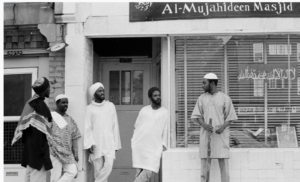
I would say that leading and coaching a board to raise enough to purchase and secure Masjid Al-Taqwa’s building in Chicago was of particularly meaningful impact on the community. We grow up learning the hadith: “Whoever builds a mosque for Allah, Allah will build for him a house like it in Paradise.” So it’s a blessing to see a relatively young masjid community go from lessees to owners.
A recent memory was supporting my hometown mosque, Masjid Muhammad DC, The Nation’s Mosque, with its 2024 Ramadan appeal. Anytime you can assist a masjid during Ramadan, it feels like a blessed opportunity.
But I must say that it’s not just the masajid that need help and support during the month. There are so many important causes to consider for one’s donations, and each one of them is an opportunity for great barakah (blessing) and great reward.
Q: How can organizations prepare their teams in Sha’ban so fundraising does not overwhelm them in Ramadan?
The best time to plan any event is one to three days after the last one, when the lessons learned are freshest in memory. I highly recommend debriefing as soon as possible after your current Ramadan drive closes to assess the “three whats”: what worked, what didn’t, and what or how can we improve for next time.
You then draft your next playbook at that time so you’re not forced to scramble months later upon the arrival of Sha’ban. Draft your playbook and then, at least four to six months before Ramadan, begin implementing the strategies: book your locations, book your speakers. Make sure you leave at least two to three months between Ramadan and your last fundraising appeal so as not to fatigue donors. Three to four weeks before Ramadan, release your event calendar so attendees can save the dates.
Q: In what ways has your own journey in philanthropy shaped how you approach Ramadan giving?
I would say that it’s more so my giving as a Muslim that has informed my general approach to philanthropy. Giving is embedded in our Deen (way of life). As a child, it was modeled for me by my beloved mother, Amatullah Sharif, may Allah grant her mercy, to donate a portion of my weekly allowance to the masjid every Friday. We are also taught about the rights of neighbors, and when we explore the spread of Islam, we learn how the giving from those with wealth helps provide community balance, structure, and stability. This has allowed me to see the importance of philanthropy and Muslim engagement not only within the Muslim community, but also across the wider communities we live in, serve, and share responsibility for.
Q: What is one piece of practical advice you wish every nonprofit, masjid, or community initiative would follow during Ramadan?
Don’t forget your own ibada (worship). Ramadan is your opportunity to double down on seeking Allah’s mercy, forgiveness, and protection from the hellfire. We are also not promised to make it from one Ramadan to the next. Working so long that you miss salah (prayer), or so late that you miss out on the special night prayers of tarawih, which can only be performed during Ramadan, can feel like an immense loss.
To employees and team members: establish your personal Ramadan goals, then protect them by maintaining boundaries around them. If you want to commit to iftar (breaking of the fast) with your family most days of the week and not at work, protect that goal.
To employers and leaders: staff are worshipers too. As you are delegating roles and responsibilities, remember that your organization’s staff are also observing Ramadan. They are abstaining from food, staying up late, waking up early, and seeking connection with Allah, The Most High. You want to support that within reason, and you certainly don’t want to be an obstruction to it.
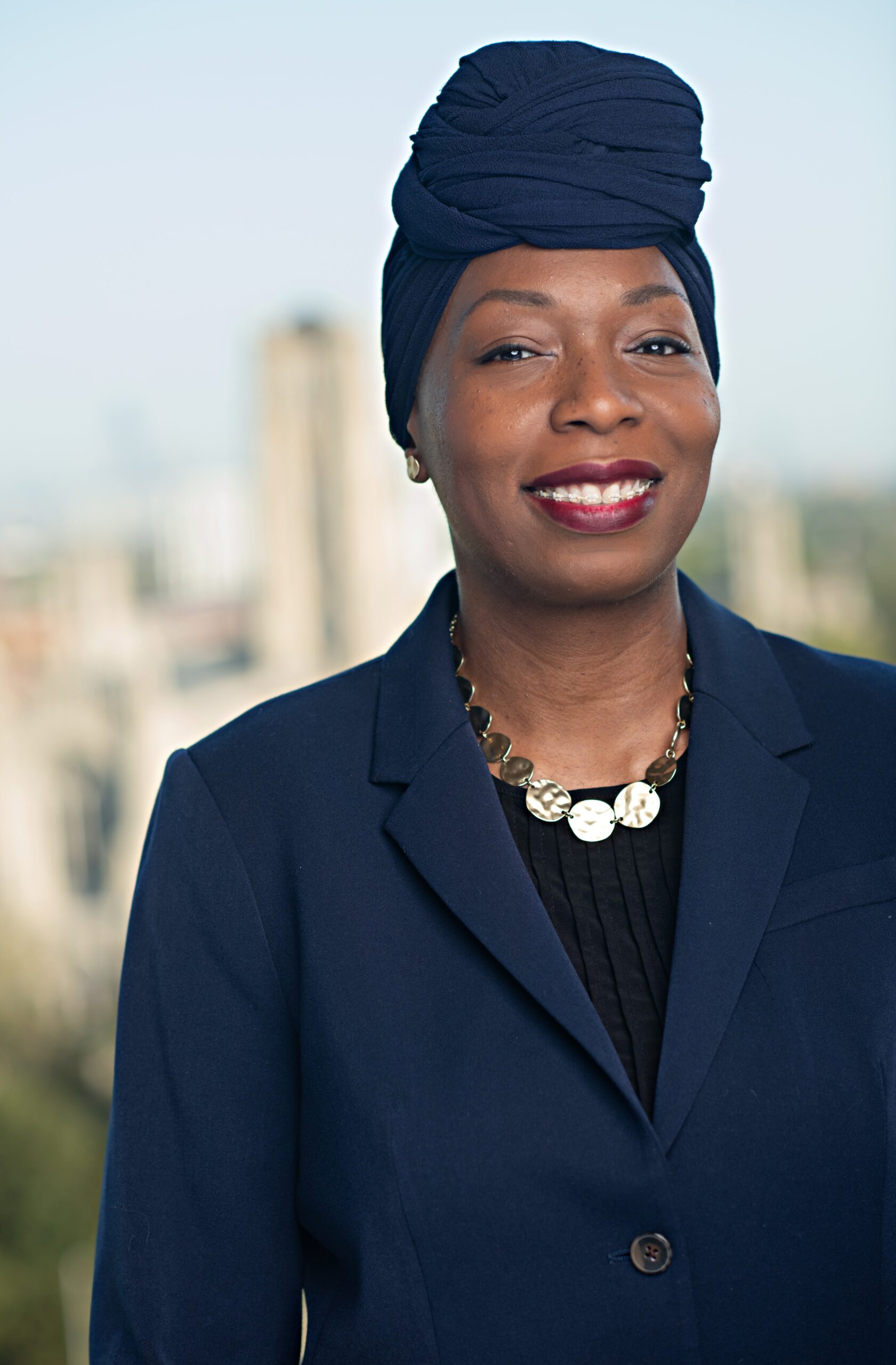
As Founder and Managing Director of N. Okakpu Consulting (NOC), Ndidi leads a team providing strategic planning, change management, and fundraising support to nonprofits serving Muslim, Black, and Brown communities. She has helped generate more than $45 million over five four years, supporting projects such as IMAN’s Health & Wellness Center, Masjid Muhammad DC’s capital appeal, and Masjid Al-Taqwa’s building acquisition in Chicago.
Her leadership journey began with the late Imam Warith Deen Mohammed and includes Qur’anic Arabic studies in Damascus, degrees in Finance and Business Administration, and more than 15 years of national community impact.