
As we pass the midpoint of the blessed month of Shaʿbān, the arrival of Ramadan draws near. This sacred time serves as a spiritual bridge—a gentle but urgent invitation to prepare our hearts, our homes, and our communities for the month of fasting, mercy, and transformation.
The Prophet ﷺ gave special attention to Shaʿbān, describing it as a month often overlooked—positioned between Rajab and Ramadan—yet filled with immense opportunity. It is a month in which deeds are raised, intentions are refined, and hearts are softened in preparation for what is to come.
Allah ﷻ reminds us of the profound purpose of the approaching month in the Qur’an:
“The month of Ramadan is the one in which the Qur’an was sent down as guidance for humanity, clear proofs of guidance, and the criterion between right and wrong.”
(Surah al-Baqarah 2:185)
This verse calls us to remember that Ramadan is not only about abstaining from food and drink, but about returning—returning to divine guidance, to clarity of purpose, and to a way of life rooted in faith and moral discernment. Shaʿbān prepares us for this return, giving us space to realign our priorities before Ramadan arrives in full.
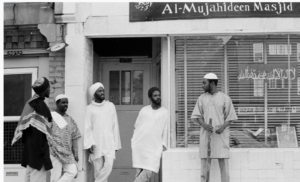
For many in the African-American Muslim community, Ramadan has long been more than an individual act of worship. It is a season of collective remembrance, resilience, and renewal—woven into our history of faith, struggle, and spiritual perseverance. Shaʿbān invites us to pause and ask ourselves: How do we want to enter Ramadan this year?
Now is the time to prepare—through increased duʿāʾ, sincere repentance, restoring relationships, and re-establishing daily rhythms of prayer and engagement with the Qur’an. Even small, consistent acts in Shaʿbān can ease our transition into Ramadan and allow us to receive its blessings with presence and gratitude.
Seven Ways to Prepare for Ramadan
In that spirit, here are seven meaningful ways individuals, families, and communities can prepare for Ramadan—beginning now.
Renew Your Intention (Niyyah)
Preparation begins in the heart. Take time to reflect on why you fast and what you hope to gain this Ramadan. A sincere intention—to draw closer to Allah, to grow in discipline, and to serve others—sets the spiritual tone for the entire month.
Reconnect with the Qur’an
Ramadan is the month of the Qur’an, but the connection does not begin on the first night of taraweeh. Start now—by reading even a few verses daily, listening during commutes, or revisiting familiar surahs with fresh reflection. Let Shaʿbān reopen the door.
Establish or Strengthen Daily Prayer Rhythms
If prayers have felt rushed or inconsistent, Shaʿbān is the time to realign. Focus on praying on time, adding sunnah prayers where possible, and creating moments of stillness after prayer. Strong foundations before Ramadan make worship more sustainable during it.
Practice Conscious Fasting or Self-Discipline
Some prepare by fasting additional days in Shaʿbān, following the sunnah of the Prophet ﷺ. Others prepare by reducing distractions—less screen time, fewer late nights, more mindfulness. The goal is training the soul to lead, not the appetite.
Repair Relationships and Seek Forgiveness
Ramadan is a month of mercy, and mercy flows best through a clean heart. Use this time to forgive others, ask forgiveness where needed, and release lingering resentment. Healing before Ramadan allows its blessings to land more deeply.
Prepare the Home and the Schedule
Spiritual readiness is supported by practical planning. Adjust sleep schedules, simplify meals, plan for suḥūr and ifṭār, and make space for prayer and Qur’an. A prepared environment helps protect the sacredness of the month.
Recommit to Community and Service
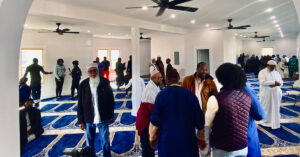
For the African-American Muslim community especially, Ramadan has always been a collective experience—rooted in resilience, care, and shared worship. Look for ways to serve, give charity, support masajid, and uplift one another. Ramadan is not meant to be carried alone.
As Ramadan approaches, may we enter it prepared, present, and united—with hearts open to guidance and lives ready for transformation.