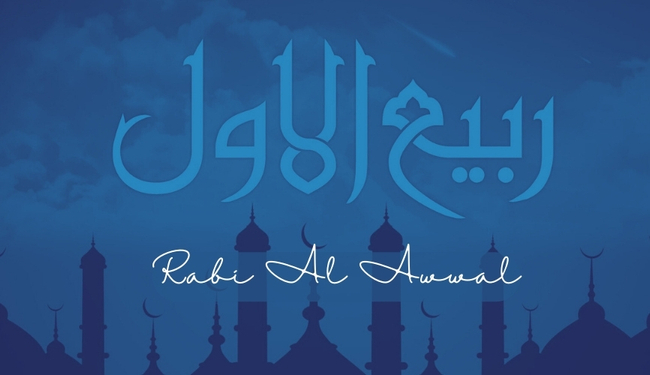
Rabi Al-Awwal is a significant month in the Islamic calendar, holding immense spiritual and historical importance for Muslims worldwide. It’s the third month of the Islamic calendar and is often referred to as “the first spring” due to its name, which means “the first month of spring” in Arabic1.
Key Events in Rabi Al-Awwal:
- Birth of Prophet Muhammad: Rabi Al-Awwal marks the birth of the Prophet Muhammad, considered a mercy to the worlds. This occasion is celebrated by many Muslims as Mawlid al-Nabi or Eid Milad un-Nabi on the 12th of Rabi Al-Awwal, although the exact date of his birth is debated among scholars.
- Hijrah (Migration): The Prophet Muhammad’s migration from Makkah to Madina, known as the Hijrah, took place in this month, marking a turning point in Islamic history and the establishment of the first Islamic state.
- Prophet Muhammad’s Death: The Prophet Muhammad passed away in Rabi Al-Awwal, serving as a reminder of mortality and the importance of following his teachings234.
Significance and Practices:
- Spiritual Renewal: Rabi Al-Awwal offers an opportunity for spiritual growth, reflection, and increased devotion to Allah.
- Acts of Kindness and Charity: Muslims are encouraged to engage in acts of kindness, charity, and mercy, following the Prophet’s example.
- Recitation of Salawat: Sending blessings upon the Prophet (Salawat) is highly recommended, especially during this month.
- Studying the Seerah: Muslims can benefit from learning more about the Prophet’s life, teachings, and character.
- Unity and Community: Rabi Al-Awwal promotes unity among Muslims, reminding them of their shared love for the Prophet and his teachings5.
- https://en.wikipedia.org/wiki/Rabi%27_al-Awwal ↩︎
- https://virtualquraninstitute.com/rabi-al-awwal/ ↩︎
- https://alwahabfoundation.org/blogs/the-significance-lessons-and-blessings-of-rabi-ul-awwal/ ↩︎
- https://www.muslimaid.org/islamic-calendar/rabi-al-awwal/ ↩︎
- https://humanconcern.org/rabi-al-awwal/ ↩︎