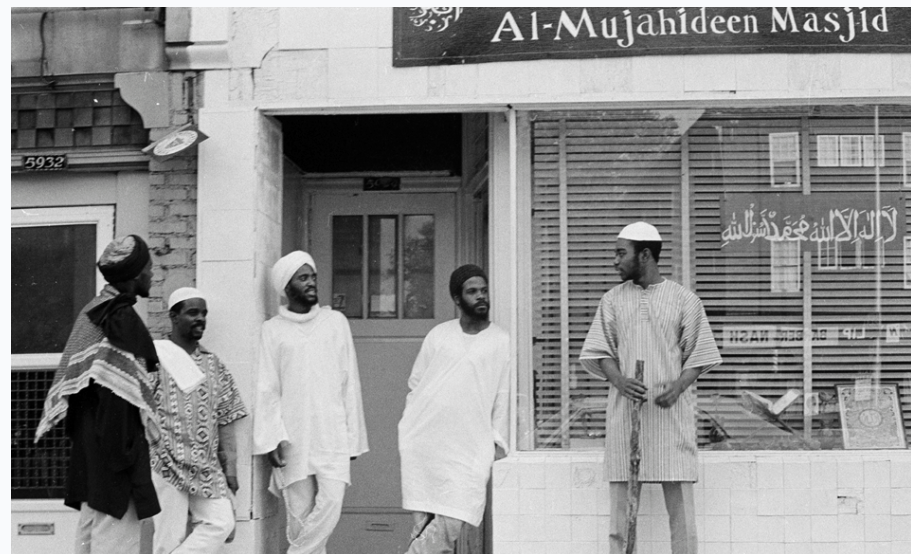
The Dar ul Islam Movement was born out of a unique moment in American Muslim history. Its roots trace back to New York City, where Muslim converts attended a masjid known as the Islamic Mission of America, Inc., commonly referred to as the State Street Mosque. During the late 1940s and 1950s, this masjid was among the only functioning Sunni Muslim institutions in New York serving those committed to following the Sunnah.
The mosque was led by Shaykh Daoud Faisal, a West Indian Muslim, along with several Yemeni seamen. Under Shaykh Daoud’s direction, the community offered Islamic classes, Jumu‘ah services, and daily congregational prayers. Among the attendees were African American Muslim converts who were not affiliated with the Nation of Islam (NOI). At that time, the dominant public image of Islam in America was shaped by the NOI, but those seeking what they understood as orthodox Sunni Islam found a home in places like the Islamic Mission.
However, many of these institutions were maintained primarily by immigrant Muslims and were only loosely connected to the lived realities of the local African American population. The African American Muslims attending State Street were deeply aware of the social, political, and economic struggles of their people. They believed Islam was not only a personal faith, but a comprehensive way of life capable of uplifting whole communities.
Allah says: “Indeed, Allah will not change the condition of a people until they change what is within themselves.”
(Qur’an 13:11)
Inspired by this divine principle of internal and societal transformation, these early believers sought to build an indigenous Muslim movement that addressed the spiritual and worldly needs of their people through Islam.
The Birth of Dar ul Islam
According to articles published in Al-Jihadul Akbar, the journal of the movement, the Darul Islam concept began to take shape around 1962 through the efforts of:
- Rajab Mahmud
- Ishaq Abdush Shaheed
- Yahya Abdul-Kareem
These brothers continued attending the State Street Mosque until they established the first Darul Islam mosque at 1964 Atlantic Avenue in Brooklyn, New York, with Brother Rajab Mahmud serving as its first imam.
Though the initial effort faltered, the believers persisted. They met in homes, studied together, and worked to cultivate an indigenous Sunni Muslim identity rooted in the Qur’an and Sunnah while informed by the cultural and social experiences of African American converts.
Importantly, despite theological differences with the Nation of Islam, Darul Islam did not define itself along racial lines. Its vision reflected the Qur’anic ideal: “O humanity, We created you from a male and a female and made you peoples and tribes so that you may know one another. Indeed, the most noble of you in the sight of Allah is the most righteous of you.” (Qur’an 49:13)
Yasin Mosque and National Growth
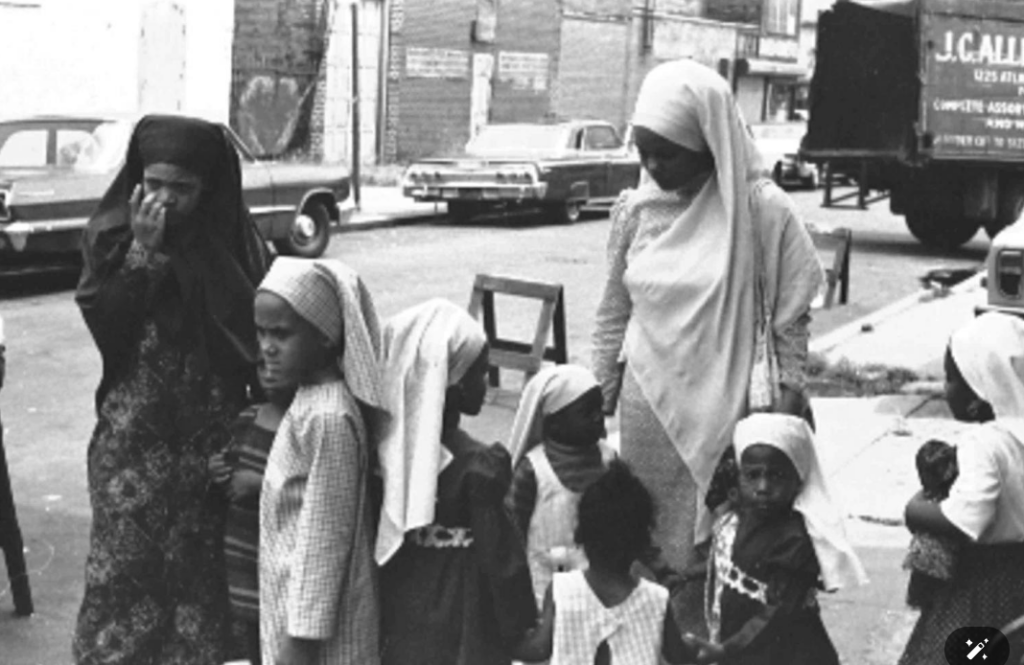
One of the most well-known Darul Islam masjids was located at 52 Herkimer Place in Brooklyn, known as Masjid Yasin. Imam Yahya Abdul Kareem was chosen as imam and served in that role until the early 1980s. This masjid became the national headquarters of the movement.
Dar ul Islam sought to follow the model of the first generation of Muslims, the companions of the Prophet Muhammad ﷺ, who built a faith-centered community that shaped every aspect of life. Allah describes that first community as: “You are the best nation raised for mankind: you enjoin what is right, forbid what is wrong, and believe in Allah.” (Qur’an 3:110)
By the mid-1970s, according to Dr. Mukhtar Curtis, at least 31 Muslim communities across the United States were affiliated with Dar ul Islam, primarily along the East Coast and in major urban centers.* The movement also developed affiliates in the Caribbean. Before the large-scale transition of members of the Nation of Islam to Sunni Islam in 1975, Dar ul Islam was the largest indigenous Sunni Muslim movement in North America.
Core Religious Emphases of Darul Islam
The Dar ul Islam Movement grounded its activism in foundational Islamic obligations:
1. Establishing Salah
Prayer was central to the movement’s identity and discipline. Allah says in the Quran: “Establish prayer, for indeed prayer prevents immorality and wrongdoing.” (Qur’an 29:45)
The Prophet ﷺ said: “The covenant between us and them is the prayer; whoever abandons it has disbelieved.” (Tirmidhi)
2. Recognizing Islamic Leadership
The movement highlighted the importance of organized religious authority and collective responsibility. As Allah states in the Qur’an: “O you who believe, obey Allah, obey the Messenger, and those in authority among you.” (Qur’an 4:59).
3. Asserting a Visible Islamic Identity
Members were known for their Islamic dress and unapologetic public faith. This aligns with the following ayat: “And who is better in speech than one who calls to Allah, does righteousness, and says, ‘Indeed, I am of the Muslims.’” (Qur’an 41:33)
4. Seeking Sacred Knowledge
Education was considered essential for both personal growth and community development. This is supported by the following ayat: “Say: My Lord, increase me in knowledge.” (Qur’an 20:114)
The Prophet ﷺ said: “Seeking knowledge is an obligation upon every Muslim.” (Ibn Majah)
5. Building Strong Muslim Families
Family life was seen as the foundation of a healthy Muslim society. Allah says, “And among His signs is that He created for you spouses from among yourselves that you may find tranquility in them, and He placed between you affection and mercy.” (Qur’an 30:21)
6. Community Protection and Responsibility
Dar ul Islam stressed the importance of safety and responsibility for protecting Muslim spaces and families within the bounds of Islamic law. Allah says: “Permission [to defend] is given to those who are fought because they have been wronged…” (Qur’an 22:39)
This reflected a broader ethic of preparedness, responsibility, and dignity — not aggression.
Later Developments
In the early 1980s, Dar ul Islam’s leadership chose to affiliate with Jama’at al-Fuqrah under Shaykh Mubarik Ali Jilani Hashmi. In 1982, Imam Yahya stepped down from leadership, and many members joined that organization, which placed strong emphasis on spiritual purification and aspects of tasawwuf.
Not all members agreed with this transition. Those who did not, reorganized under the leadership of Imam Jamil Abdullah Al-Amin and formed Al-Ummah (The National Community), continuing the project of building disciplined, Qur’an-and-Sunnah–based Muslim communities in America.
A Personal Reflection
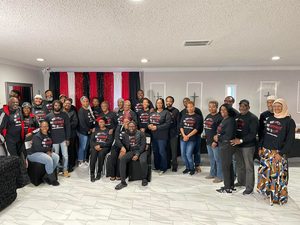
The Dar ul Islam Movement holds a special place in my heart. After journeying through phases of Black Nationalism and Pan-Africanism, I took my shahadah at the Dar ul Islam masjid in Philadelphia known as Ash-Shahud. Later, after moving to Atlanta, I became a member of the Community Masjid of Atlanta under Imam Jamil Abdullah Al-Amin. That community had been affiliated with Dar ul Islam shortly before its transition into Jama’at al-Fuqrah.
For many of us, Dar ul Islam was more than an organization — it was a school of discipline, identity, and conviction. It helped carve out an indigenous African American Sunni Muslim identity that has become an enduring thread in the broader fabric of Islam in the United States.
In many ways, the movement embodied the Qur’anic description: “Thus We have made you a middle nation so that you may be witnesses over humanity.” (Qur’an 2:143)
Dar ul Islam’s legacy lives on in the masjids it inspired, the families it nurtured, and the unapologetic Muslim identity it helped normalize in the American landscape.
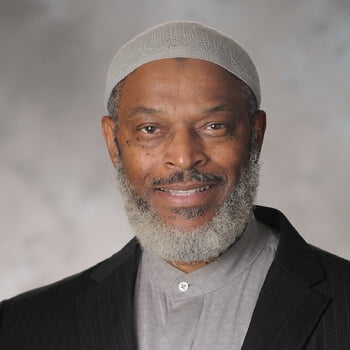
Imam Nadim Sulaiman Ali is originally from Chester, Pennsylvania and has resided in Atlanta, Georgia since 1979. He is the Imam Emeritus of the Community Masjid of Atlanta, the former Convener for the Metro Atlanta Majlis Ash-Shura, a founding member of MANA, and the current MANA Board Secretary. Imam Nadim works as a licensed professional & master addiction counselor and serves Muslims and the general community. Offering counseling services consisting of Pre-Marital, Marital, and Individual counseling. He is a therapist and consultant in Stress Management, Violence Prevention, and Tai Chi. He has authored numerous articles on counseling, and family matters, and he is also the co-founder of the Spoken word acapella Group Dawah Ensemble. He obtained a Bachelor’s degree in Communications from Shippensburg State University, a Master’s degree in counseling psychology from the Georgia School of Professional Psychology, and is a Licensed Professional Counselor and a Master of Addiction Counselor.