For over 60 years, the African American Muslim community in the Raleigh–Durham area has been quietly but powerfully present—serving, organizing, and uplifting their neighbors. What began in the 1950s as a small, storefront community in Durham has grown into a vibrant network of believers who have carried the banner of Islam through decades of civil rights struggle, community work, and spiritual growth.
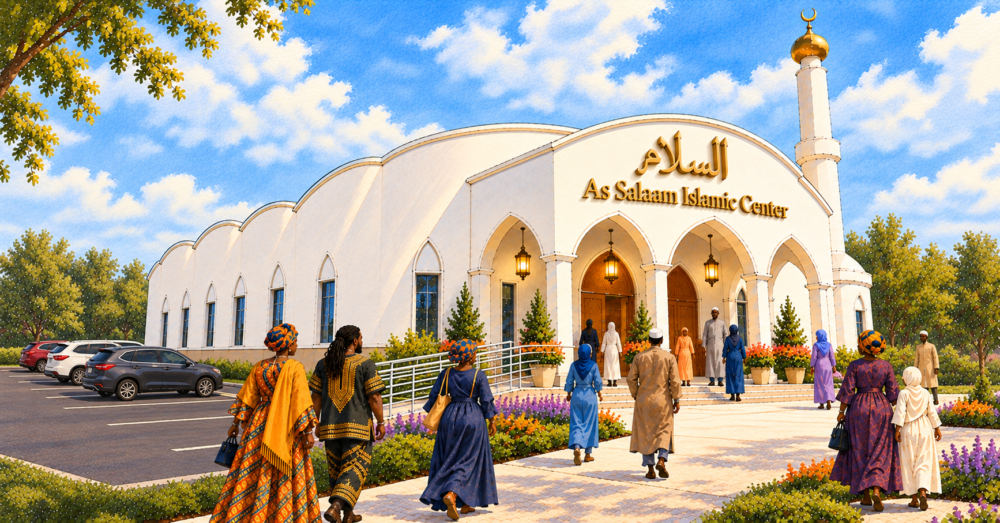
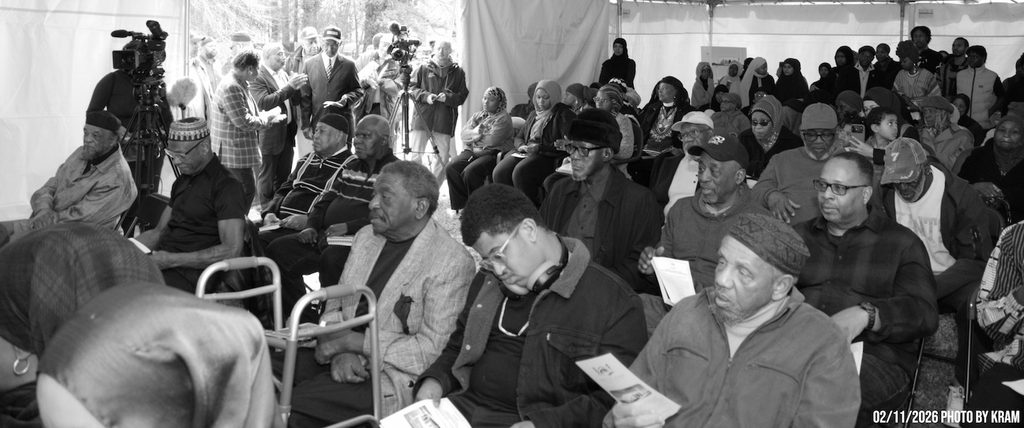
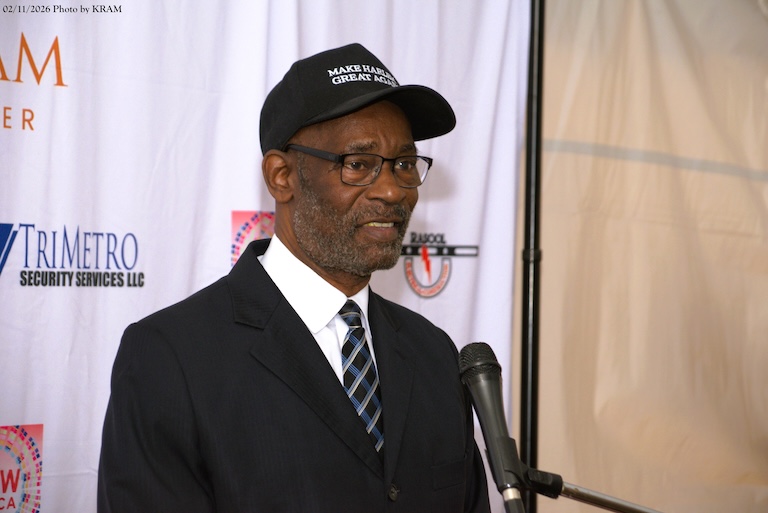
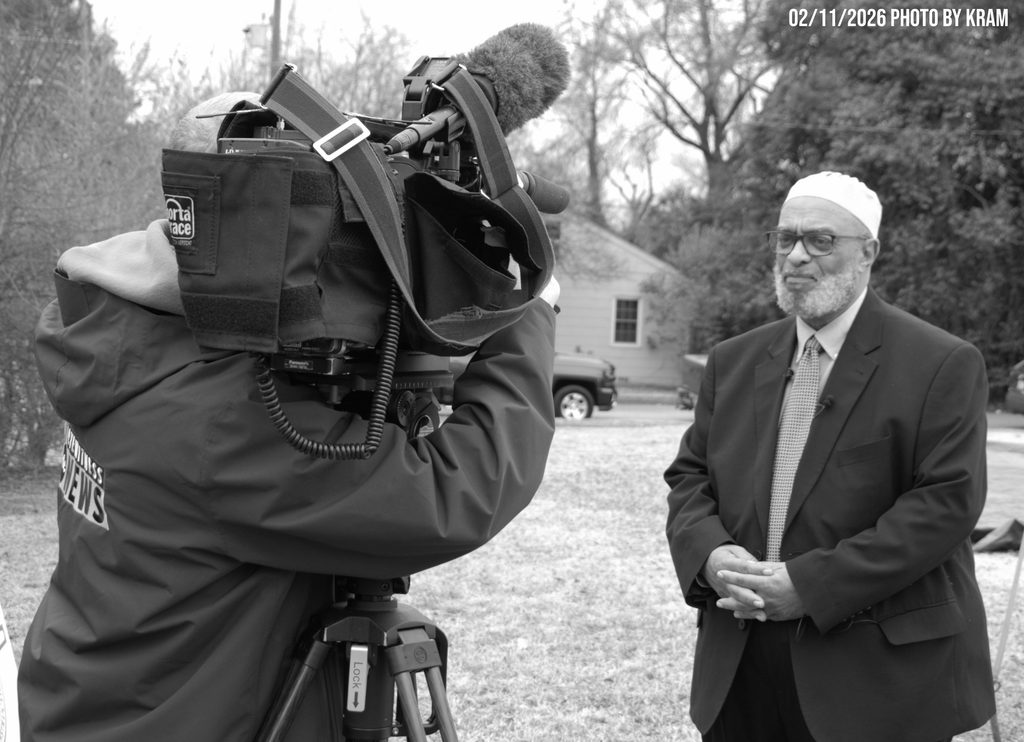
Today, that long struggle and service are taking shape in a historic project: the construction of Assalam Islamic Center, the first masjid in Raleigh to be built by African Americans, located in Southeast Raleigh. This effort is not only about bricks and mortar. It is about restoring dignity, lineage, and spiritual continuity—and offering a visible model of what faith, perseverance, and community cooperation can build.
From Storefronts and Houses to a Permanent Home
In a phone interview, Rhonda Khadija Mohammed—a lifelong member of the community and a 70-year resident of the Raleigh–Durham area—talked about the roots of this project, which traces back to her parents’ generation.
Her father accepted Islam in 1954 in Baltimore. While still in his twenties, he helped renovate the masjid there and was then asked to come south to help establish an Islamic community in Durham. He arrived with little money but great conviction, and soon that small community became a hub for activism and uplift, intersecting with the broader civil rights movement. It was a space where African Americans could reclaim dignity, discipline, and purpose through Islam.
Rhonda describes that experience as shaping her entire life and character. The community was deeply involved in supporting those who had been “downtrodden,” and that legacy of service and uplift has continued through the generations.
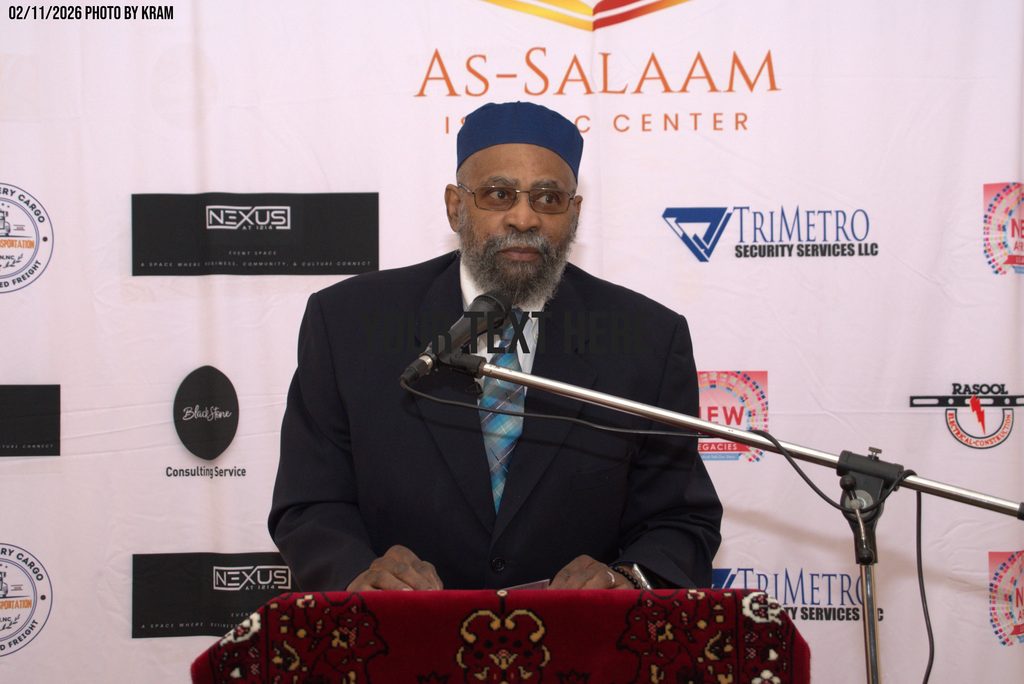
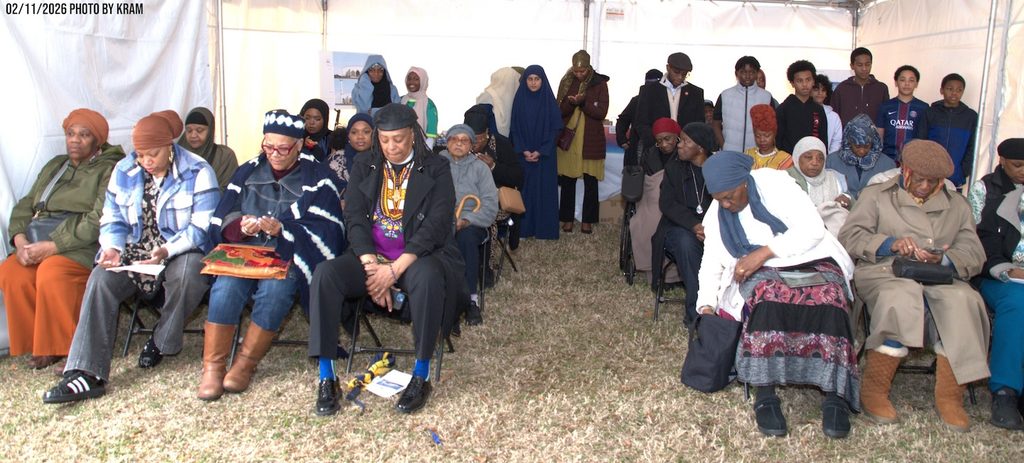
In recent years, the believers of Assalam Islamic Center have worshiped in converted houses and have since transitioned to holding Jumu‘ah and Eid prayers at Nexus, a family-owned event space. Nexus has offered more room, parking, and dignity than small houses, but it is still not a permanent home designed for Islamic life.
“We decided that we could do better, and we wanted to do better,” Rhonda explains.
The new masjid is the community’s answer to that desire: a dedicated, purpose-built Islamic center that reflects who they are and where they are headed.
A Vision Rooted in Service and Education
Assalam Islamic Center is being built in Southeast Raleigh, a historically African American area that has long been a community of “low wealth,” as Rhonda thoughtfully describes it. For decades, the believers there have been working to meet real, everyday needs:
- Providing meals to those who are food insecure
- Offering clothing and school supply drives
- Hosting town halls and community meetings
- Engaging in interfaith work and broader community outreach
- Supporting those who are often underrepresented and overlooked
The new center is designed to deepen and expand all of this work. The plan includes:
- A proper masjid for daily prayers, Jumu‘ah, and Eid
- Classrooms for children’s Islamic studies and adult education
- A kitchen to prepare and share meals with the community
- A library where people can access Islamic literature and learn about the faith
The building is being designed by a Muslim architect and constructed by a Muslim contractor, both of whom are excited to help give form to this vision. The design features a minaret with the Qur’an at the top, symbolizing that the call to Allah is rooted in reading, reflection, and learning.
Rhonda believes the finished masjid will be a “shining star” in the neighborhood—a beautiful, dignified structure that shows what people of humble beginnings, working together, can create.
A Model Community and a Dawah Opportunity
For the community of Assalam, this project is both local and symbolic. It serves the immediate needs of the surrounding neighborhood, but it also stands as a model for African American Muslims across the country.
Rhonda speaks of the masjid as part of a broader restoration project—restoring not only a place of worship, but a line of spiritual continuity interrupted by slavery and systemic oppression. Many of the Africans brought to this land as slaves were themselves Muslims. Building Assalam Islamic Center is one way to honor and continue that legacy.
“Our objective is to be a model community,” she says, “showing people that you can take this deen and use it to uplift your family, to uplift you as an individual. You can grow. You can expand your horizon.”
In a time when Islam is often misunderstood, the new center will be a dawah and interfaith space, giving neighbors and visitors a chance to see Islam as it is lived: through service, education, family, and community-building.
Looking ahead, the community hopes not only to complete the masjid but also to expand—purchasing additional property for affordable housing, a gym, and a community center to provide young people with safe and uplifting spaces.
Where the Project Stands — and How You Can Help
The construction of Assalam Islamic Center is a multi-million-dollar effort:
- Total project cost: approximately $2 million
- Funds raised so far: close to $700,000
- Remaining need: about $1.3 million
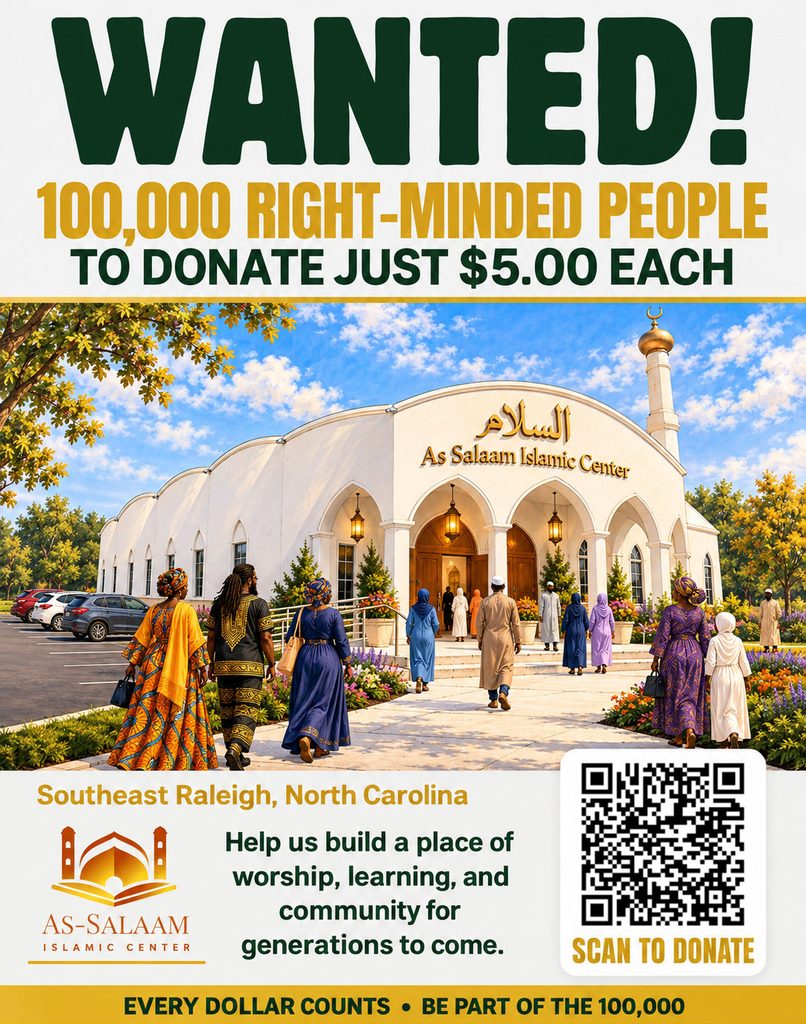
To help close this gap, the community has launched a grassroots appeal: a campaign for 1,000 people to give just $5. For many, that is the cost of a latte or a quick meal—but collectively, it can make a real impact. Those with greater means are encouraged to give more, and to encourage friends, family, and organizations to participate.
Local masjids in the area—many from immigrant communities—have already shown strong support by attending fundraisers and contributing financially. Now, Assalam Islamic Center is inviting the wider community to join in this historic work.
“If we help to build one masjid, Allah will build a place in Paradise for us,” Rhonda reminds us. “We have faith in our faith.”
Ways to Contribute
You can support the Assalam Islamic Center masjid project through their fundraising campaign LINK.
Whether your contribution is $5, $10, $20, $50, or more, you will be part of the blessing of:
- Establishing the first African American–built masjid in Raleigh
- Supporting a community that has served this area for over 60 years
- Helping restore a legacy of dignity, lineage, and spiritual continuity for generations to come
May Allah bless and accept every effort made toward this project and make it a source of ongoing charity (sadaqah jariyah) for all who support it.
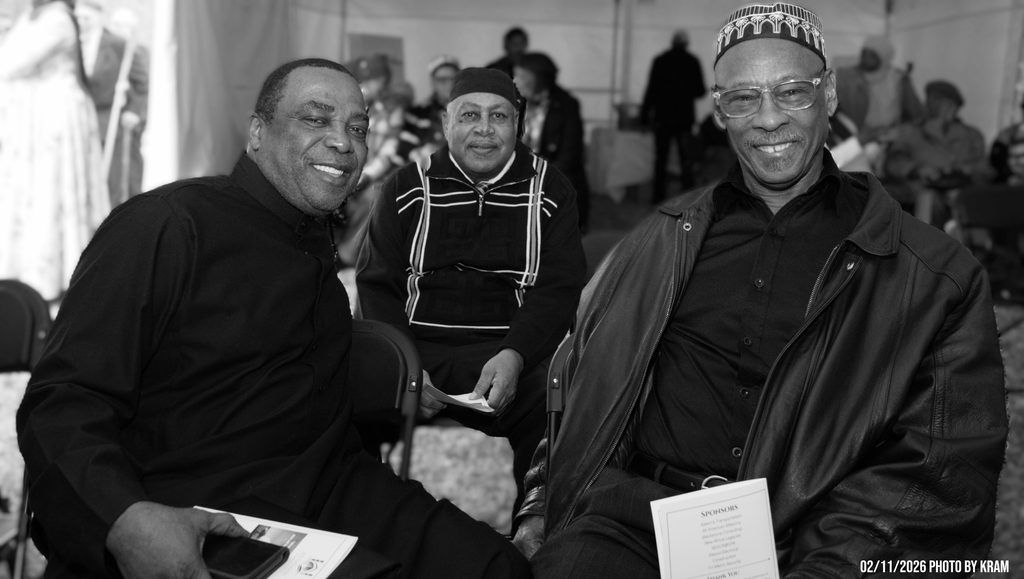

Akanke is a communications specialist and consultant with a degree in Communication from Georgia State University, focused on film, TV, and cultural anthropology. Her career is diverse, and her interests span various creative forms of expression — from producing TV and radio shows to creating documentaries, writing, graphic design, and life coaching, she strives to make a lasting and authentic impact wherever she goes. She reverted to Islam in 1994 and is passionate about Islam and Islamic spirituality, a passion that runs through nearly every corner of her work. Akanke has been a dedicated supporter of the Muslim Alliance in North America (MANA) since 2007, currently serving as the organization’s Board Vice President — working alongside the Board President and Secretary to help shape MANA’s trajectory — and previously served for several years as its Communications Director. A native of Atlanta, she now resides in Dayton, Ohio.